Water damage restoration is a crucial process that involves the repair and recovery of homes and businesses affected by excess moisture or flooding. Whether caused by natural disasters, plumbing failures, or accidental spills, water intrusion can lead to significant structural damage and health hazards if not addressed promptly. Understanding the fundamentals of water damage restoration can empower property owners to take swift and informed action, minimizing potential losses and ensuring a safe living or working environment.
This article will explore the various stages of water damage restoration, including assessment, water extraction, drying, and repair. We will also highlight essential tips for prevention and maintenance, underscoring the importance of professional assistance in effectively managing water-related incidents. With the right knowledge and resources, you can navigate the challenges of water damage and restore your property to its original condition.
Stages of Water Damage Restoration
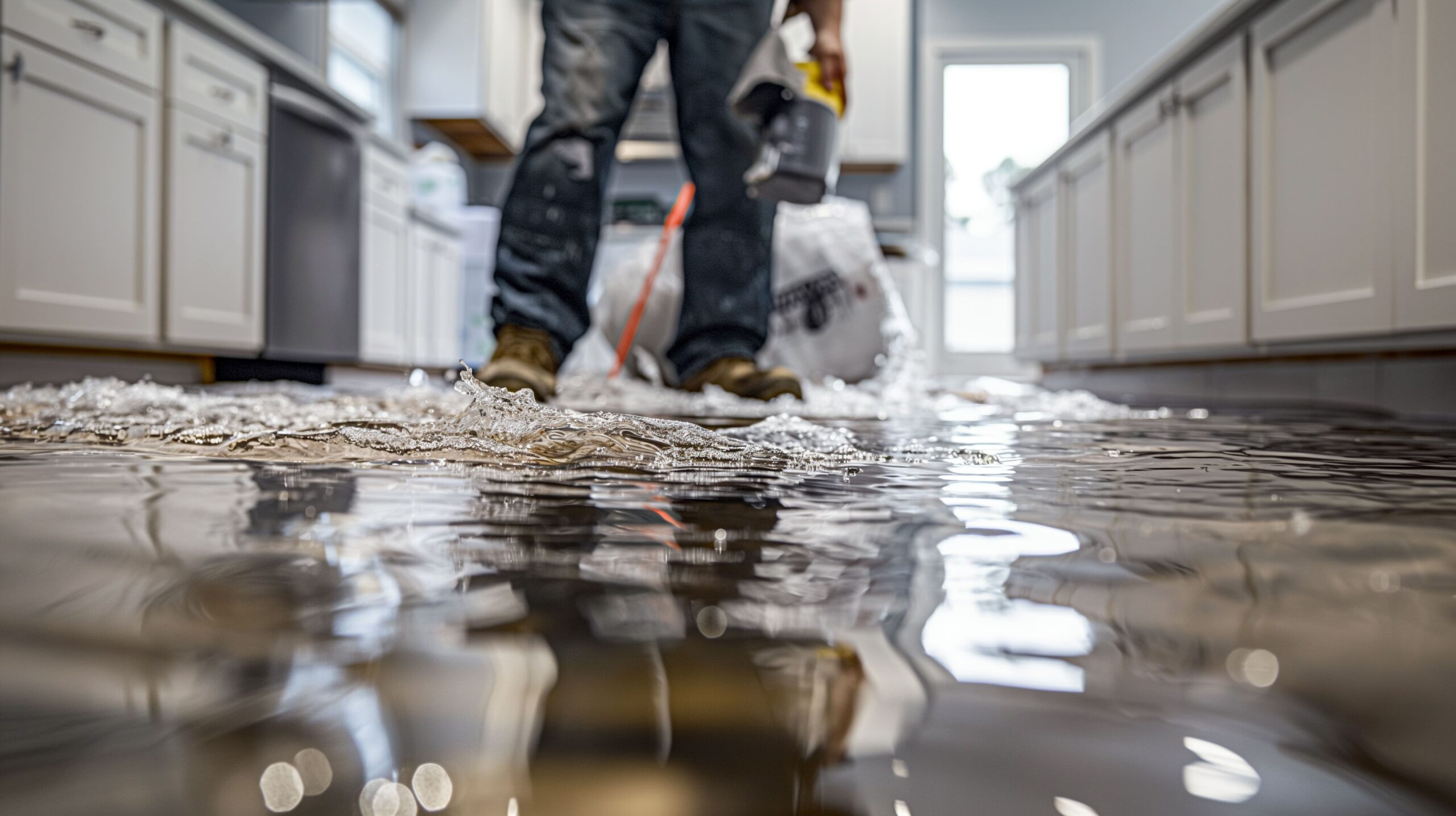
The water damage restoration process can be broken down into several key stages that help ensure thorough recovery of the affected property. First, a comprehensive assessment is conducted to identify the extent of the damage and the source of water intrusion. Following this, water extraction is carried out using specialized equipment to remove standing water and mitigate further damage. The drying stage is critical, as it involves the use of dehumidifiers and air movers to eliminate moisture from floors, walls, and personal belongings. Finally, any necessary repairs are made to restore the property to its original condition, addressing both structural issues and aesthetic concerns. For homeowners looking for effective tips during this process, refer to the website for valuable insights.
Preventive Measures for Water Damage
Preventing water damage is essential for protecting your property from future risks. Regular inspection of plumbing systems, roofs, and gutters can help identify potential issues before they escalate into significant problems. Additionally, ensuring proper drainage around the foundation and utilizing sump pumps in areas prone to flooding are effective strategies. Homeowners should also consider waterproofing basements and crawl spaces to minimize moisture accumulation. Establishing a proactive maintenance routine can significantly enhance the resilience of your property against water intrusion, ultimately reducing the likelihood of costly restoration efforts in the future.
In conclusion, effective water damage restoration not only involves addressing the immediate aftermath of water intrusion but also emphasizes the significance of preventive measures to safeguard your property in the long run. By understanding the stages of restoration—from assessment and water extraction to drying and necessary repairs—property owners can take informed action to mitigate damage and restore their homes or businesses. Furthermore, adopting regular maintenance practices and being vigilant in identifying potential vulnerabilities can drastically reduce the risk of future incidents. With a proactive approach and, when needed, the support of professional restoration services, individuals can ensure their spaces remain safe and resilient, preserving their investment and wellbeing.