Architectural design is a creative process that involves planning, creating, and visualizing spaces that will be built. It encompasses both the aesthetic and functional aspects of a building, ensuring that not only does it look visually appealing but also serves its intended purpose effectively. The architectural design process is a complex and intricate journey that requires careful consideration of various factors such as site conditions, client requirements, budget constraints, and sustainability principles.
Architects play a crucial role in this process, as they are not only responsible for envisioning the design but also for translating it into technical drawings and specifications that can be used for construction. Through a series of iterative steps, architects refine and develop their designs to meet the needs of the client, while also considering the building’s impact on the environment and society as a whole. This article will explore the different stages of the architectural design process and how architects bring their vision to life through careful planning and execution.
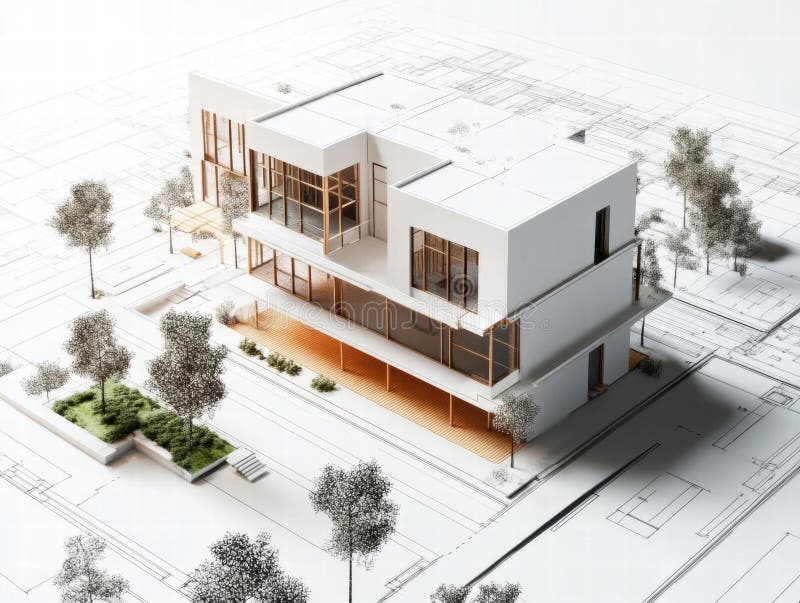
Understanding the Design Process
Architectural design goes beyond just creating aesthetically pleasing structures; it involves a meticulous process that starts with understanding the client’s needs and goals. Architects must carefully consider site conditions, local building codes, and environmental impact to develop a design that is both functional and sustainable. As mentioned in the read this here article, the design process encompasses multiple stages, including schematic design, design development, construction documents, and finally construction administration. Each phase requires collaboration with engineers, contractors, and other professionals to ensure the successful execution of the design.
Role of Architects in Bringing Designs to Life
Architects are not only tasked with creating visually appealing designs but also with ensuring that those designs can be realistically implemented. They act as the liaisons between clients and construction teams, translating conceptual ideas into practical solutions. By adhering to budget constraints, timeline requirements, and quality standards, architects ensure that the final built structure meets the client’s expectations. The read this here article explains how architects guide projects from concept to completion, addressing challenges along the way and making adjustments as needed to ensure a successful outcome.
In essence, the architectural design process is a balance of artistry and functionality, where architects strive to create spaces that are not only visually striking but also practical and sustainable. By understanding the needs of the client, considering various factors such as site conditions and environmental impact, and collaborating with a team of professionals, architects are able to bring their designs to life. Through careful planning, meticulous attention to detail, and effective communication, architects play a crucial role in ensuring that the final built structure meets the expectations of both the client and society as a whole. The architectural design process is a journey that requires creativity, innovation, and expertise, resulting in buildings that stand as testaments to thoughtful and purposeful design.