Expanding a manufacturing operation into a new country can be a complex and challenging endeavor. Companies must navigate regulatory compliance, workforce hiring, taxation, customs, infrastructure setup, and other logistical hurdles. This is where shelter programs come into play. These programs provide a streamlined, cost-effective way for manufacturers to establish operations in foreign markets, particularly in regions like Mexico, without having to handle the burdens of full legal entity ownership.
Understanding Shelter Programs
Shelter programs offer a comprehensive solution for foreign manufacturers looking to expand without directly owning and operating a legal entity in the host country. These programs enable businesses to focus purely on production while the shelter provider manages administrative tasks such as compliance, permits, payroll, and supply chain logistics. Understanding Manufacturing Trends in Mexico is essential for companies looking to expand, as the country continues to attract global investors with its skilled workforce, cost-effective production, and strategic trade agreements. This model allows manufacturers to quickly establish operations while mitigating risks and reducing costs.
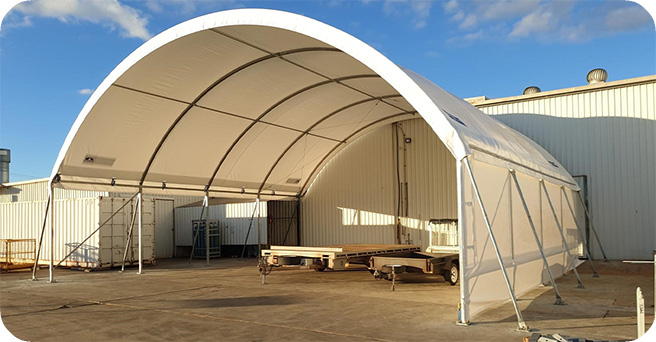
Key Components of a Shelter Program
- Legal and Regulatory Compliance – The shelter company ensures compliance with local labor laws, environmental regulations, tax codes, and other legal requirements.
- Human Resource Management – The shelter provider assists in recruiting, hiring, and managing employees, ensuring adherence to labor laws and fair employment practices.
- Tax and Financial Management – Companies operating under a shelter program benefit from tax incentives and exemptions while also receiving financial management support.
- Import/Export and Customs Compliance – The shelter provider handles customs procedures, making cross-border trade more efficient.
- Facility and Infrastructure Support – Many shelter programs offer ready-to-use industrial spaces, reducing the time needed to start production.
- Government Liaison and Permits – Shelter providers act as intermediaries between manufacturers and government agencies to expedite permits and approvals.
How Shelter Programs Simplify Manufacturing Expansion
1. Reducing Start-Up Time
One of the biggest challenges of expanding manufacturing operations is the time it takes to establish a legal entity, secure permits, and build necessary infrastructure. Shelter programs eliminate these hurdles by providing a legal framework and operational support, allowing manufacturers to begin operations much faster. Instead of spending months on bureaucracy, companies can start production in a matter of weeks.
2. Cost Savings and Financial Efficiency
Setting up a new manufacturing facility from scratch involves significant financial investment, including legal fees, facility construction, and administrative costs. Shelter programs help manufacturers reduce these costs by providing access to shared resources, tax incentives, and lower operational expenses. Additionally, the shelter company takes on many of the financial risks, allowing manufacturers to focus their capital on production and growth.
3. Simplified Compliance and Risk Management
Every country has its own set of labor, environmental, and trade laws that foreign businesses must comply with. Shelter programs provide local expertise and administrative support to ensure compliance, minimizing the risk of legal issues, fines, or operational delays. By handling legal responsibilities on behalf of the manufacturer, shelter programs significantly reduce regulatory risks.
4. Workforce Management and Talent Acquisition
Hiring and managing a skilled workforce in a new country can be daunting. Shelter programs assist in talent acquisition, payroll management, benefits administration, and labor law compliance. They have established relationships with local labor markets, ensuring that manufacturers get access to trained employees without the challenges of navigating a foreign hiring process.
5. Streamlined Supply Chain and Logistics
Efficient supply chain management is crucial for any manufacturing operation. Shelter programs simplify supply chain logistics by managing customs clearance, import/export regulations, and supplier relationships. This ensures that raw materials and finished products move smoothly across borders, reducing delays and improving operational efficiency.
6. Tax Benefits and Financial Incentives
Many countries offer tax incentives to foreign manufacturers under shelter programs. For instance, in Mexico, manufacturers under a shelter program may qualify for exemptions from certain taxes, making their operations more cost-effective. These financial incentives help businesses maintain profitability and remain competitive in the global market.
7. Flexibility and Scalability
Shelter programs provide manufacturers with flexibility in scaling their operations. Whether a company wants to test the market with a small operation or scale up rapidly, shelter providers offer adaptable solutions to accommodate different growth strategies. This scalability allows manufacturers to expand operations in a controlled and efficient manner without making long-term commitments.
8. Focus on Core Manufacturing Activities
By outsourcing administrative and regulatory responsibilities to a shelter provider, manufacturers can focus on their core competencies—production, quality control, and innovation. This improved focus enhances productivity and allows companies to concentrate on delivering high-quality products without distractions.
Industries Benefiting from Shelter Programs
Several industries have successfully leveraged shelter programs to expand their manufacturing footprint. These include:
- Automotive Manufacturing – Many auto parts manufacturers use shelter programs to set up production facilities close to major markets.
- Aerospace Industry – Aerospace component manufacturers benefit from reduced production costs and skilled labor through shelter services.
- Electronics and Consumer Goods – Companies producing consumer electronics and appliances utilize shelter programs for efficient market entry.
- Medical Device Manufacturing – Medical equipment manufacturers benefit from streamlined regulatory compliance and operational support.
- Textiles and Apparel – Shelter programs provide cost-effective solutions for textile companies seeking lower production costs.
Conclusion
Shelter programs offer a practical, cost-effective, and efficient solution for manufacturers looking to expand their operations into new markets. By simplifying legal compliance, workforce management, supply chain logistics, and financial administration, these programs remove the biggest barriers to international manufacturing expansion. Companies can focus on production, reduce costs, and operate with greater flexibility, making shelter programs an essential strategy for modern manufacturing expansion. Whether a business is entering a new market for the first time or scaling existing operations, shelter programs provide the necessary support for long-term success.