In an ever-evolving world marked by rapid urbanization and increasing natural disasters, the need for efficient and sustainable shelter manufacturing has never been more crucial. As populations grow and environmental challenges intensify, innovative approaches to producing safe and resilient housing have emerged as a focal point for architects, engineers, and policymakers alike. This article delves into the various methodologies and technologies driving the manufacturing of shelters, highlighting the need for adaptability, sustainability, and affordability in today’s dynamic landscape.
From prefabricated structures to advanced materials and modular designs, the manufacturing of shelters incorporates a wide range of techniques tailored to meet diverse needs. As we explore the successes and challenges faced by the industry, we will also consider the implications of these developments for communities worldwide. By examining case studies and showcasing pioneering efforts in shelter manufacturing, this article aims to inspire a dialogue on creating equitable and durable housing solutions for all.
Innovative Approaches to Shelter Manufacturing
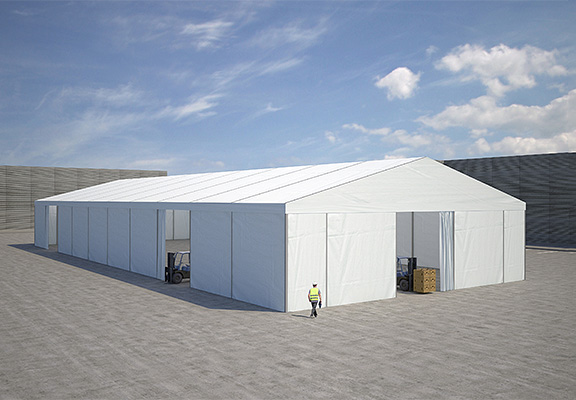
The landscape of shelter manufacturing is rapidly transforming with the integration of cutting-edge technologies and sustainable practices. Innovations such as 3D printing, which allows for the on-site creation of solid structures, and the use of eco-friendly materials like recycled plastics, are becoming increasingly prevalent. These advancements not only reduce waste but also lower costs, making housing more accessible to vulnerable populations. For instance, the adoption of modular designs helps in quickly assembling homes in disaster-stricken areas, providing immediate relief. Additionally, regions like Latin America are experiencing a shift in manufacturing dynamics, with the Advantages of manufacturing in Mexico serving as a catalyst for innovation by fostering collaboration among local artisans and global architects.
Challenges and Opportunities in Resilient Housing
While the growth of innovative shelter manufacturing presents numerous opportunities, it also brings forth significant challenges. Issues such as regulatory hurdles, financing, and the need for skilled labor can hinder the scalability of new methods. Furthermore, there is a pressing need for a holistic approach that considers the unique cultural and geographical contexts of communities. Engaging local stakeholders in the design and manufacturing processes is essential for creating solutions that are not only functional but also culturally relevant. As we navigate these challenges, the potential for creating resilient housing systems that stand the test of time becomes increasingly attainable, leading to healthier and more sustainable communities worldwide.
In conclusion, the manufacturing of shelters stands at a pivotal juncture, where the convergence of innovation and necessity offers a unique opportunity to redefine how we think about housing. By embracing technologies that prioritize sustainability and adaptability, we can address both the immediate and long-term needs of diverse populations facing the realities of urbanization and climate change. The continued exploration of methods like 3D printing and modular design, coupled with a commitment to cultural and contextual relevance, positions the industry to create housing solutions that are not only efficient but also equitable. Therefore, fostering collaboration between architects, engineers, communities, and policymakers is essential to unlocking the full potential of resilient shelter manufacturing, ultimately contributing to a future where everyone has access to safe, durable, and affordable housing.