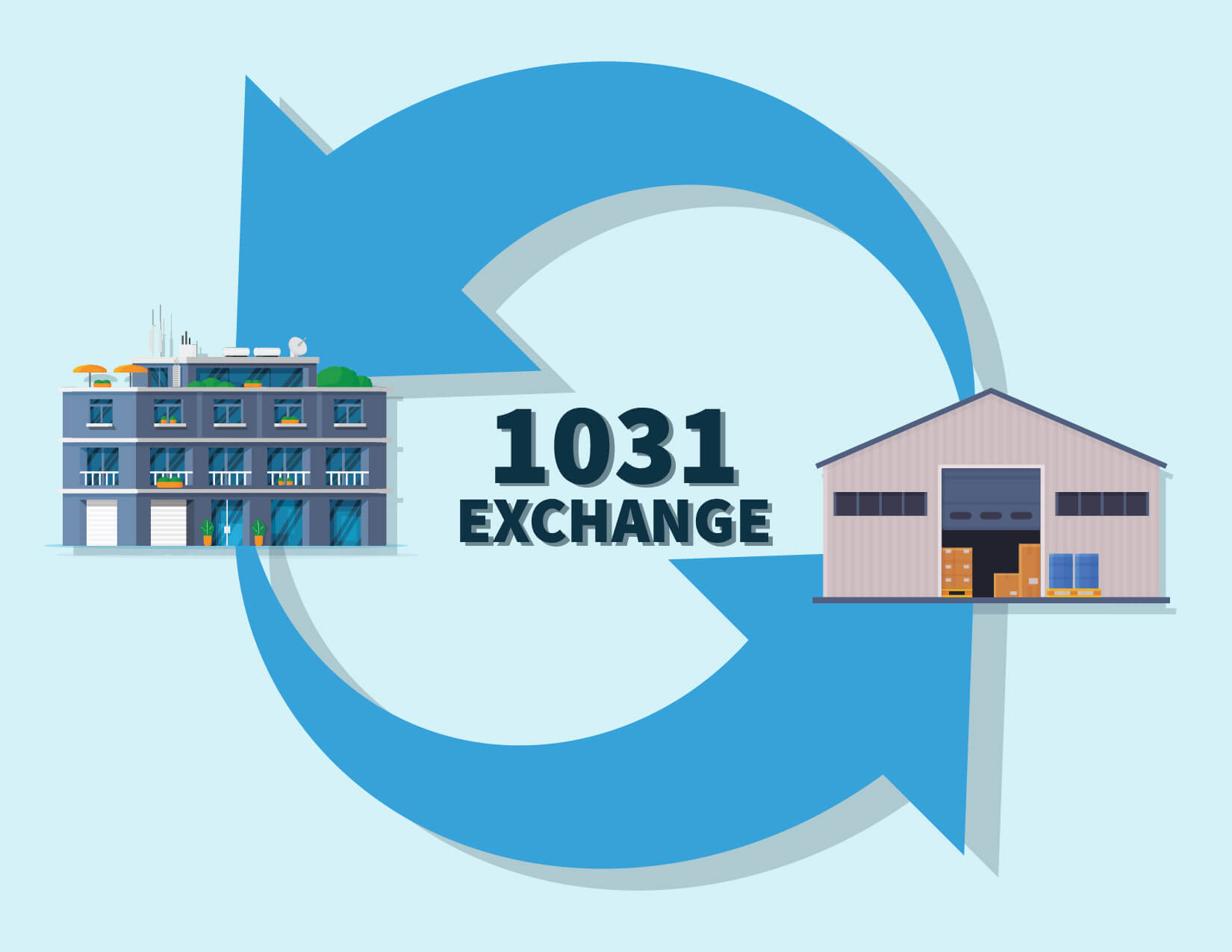
Real estate investments can often be complex and laden with tax implications. One strategy to defer these taxes is through a 1031 exchange, also referred to as a like-kind exchange, allowing investors to postpone paying tax on the gain of a property sale as long as another similar property is purchased with the profit gained by the sale. This tactic can be intricate yet highly beneficial if executed correctly.
A 1031 exchange isn’t just for seasoned investors; it’s accessible but requires meticulous planning and understanding. In this easy guide, we will navigate through the critical aspects of mastering a 1031 exchange, ensuring your next property swap is smooth, compliant, and financially advantageous.
Understanding Eligibility and Requirements
To optimize the benefits of a 1031 exchange, you must first grasp its eligibility criteria and requirements. Real estate utilized for investment or business purposes qualifies for these exchanges; however, personal residences do not. Both properties involved must be of like-kind, which broadly covers all types of real estate held for productive use in a business or for investment. Additionally, timing is crucial in this process. A click here to learn more about specific filing deadlines and procedures that must be adhered to ensure a valid transaction under IRS guidelines.
This aspect also encompasses understanding the role of a Qualified Intermediary (QI), who holds the proceeds from the sale until they can be reinvested in a new property. The QI is essential as touching the money directly can disqualify your exchange under ‘constructive receipt’ tax rules.
Choosing the Right Replacement Property
Finding an adequate replacement property is critical and should align closely with your investment goals while meeting all 1031 requirements. This involves identifying potential properties within 45 days after selling your original asset and knowing that you have 180 days in total from the sale date to close on one or multiple replacement properties. This period allows limited time for decision-making which necessitates precise market analysis and a predetermined investment strategy.
It’s advisable to shortlist several potential properties since issues such as failed inspections or sellers backing out can unexpectedly arise. Due diligence on each candidate property reduces risk and ensures that your investments continue to align with broader financial goals.
Financial Planning and Capital Gains Considerations
Effective financial planning is integral in executing a successful 1031 exchange. The overarching goal here is not only to defer taxes but also to utilize deferred capital gains in an optimizer manner towards acquiring higher-value properties or more income-producing properties. Understanding your current capital gains obligations and how an exchange alters these liabilities will inform decisions about the scale and nature of investments you consider.
It’s also crucial to assess any ongoing expenses related to both relinquished and replacement properties, including management fees, maintenance costs, and property taxes, factored into overall financial projections.
Navigating Legal Frameworks and Regulations
The legal landscape governing 1031 exchanges is fraught with complexity and evolves continually with changes in tax laws. For example, certain types of exchanges that were possible previously may now be restricted under new legislations or IRS rules. Staying abreast of these changes either through self-education or consultation with a legal advisor specializing in real estate taxation is vital to avoid unintended consequences such as voiding an exchange due to non-compliance.
Engage professionals who are well-versed in both state-specific statutes and federal tax laws governing real estate transactions to ensure compliance at every step of your exchange process.
Mistakes to Avoid
The most common pitfalls within a 1031 exchange include missing critical deadlines, misjudging the equal or greater value rule involving debt and equity in replacement properties, and selecting inappropriate like-kind replacements. Being cognizant of these issues while strategically planning your acquisitions will help mitigate risks associated with property exchanges.
Equally important is avoiding ‘boot,’ which refers to any non-like-kind property received during the exchange process, as it could result in immediate taxable events thereby reducing the efficiency of your transaction from a fiscal standpoint.
In conclusion, while navigating a 1031 Exchange appears daunting initially, thorough preparation coupled with expert advice can simplify the process significantly. By understanding every facet—from eligibility criteria to finalizing exchanges while avoiding common pitfalls—investors can leverage this powerful provision effectively. Remember always to stay updated on legal precepts governing these transactions to protect your investments from unforeseen tax liabilities.
With careful execution guided by clear objectives and supported by competent professionals experienced in law and real estate markets, your journey through 1031 exchanges can lead towards sustained investment growth and substantial tax savings.