Introduction
Chafing, a common issue faced by many women when wearing a sports bra, can cause discomfort and irritation during physical activities. Fortunately, there are several measures you can take to prevent chafing and ensure a comfortable workout experience, high impact sports bras are specifically designed to minimize bounce and provide maximum support for women engaging in intense physical activities such as running or jumping. In this article, we will provide you with helpful tips to help you avoid chafing when wearing a sports bra.
Choose the Right Size
One of the primary reasons for chafing is an ill-fitting sports bra. Ensure that you are wearing the correct size by following proper measurement techniques and consulting the brand’s size chart. A sports bra that is too tight or too loose can cause friction against your skin, leading to chafing.
Opt for Moisture-Wicking Fabrics
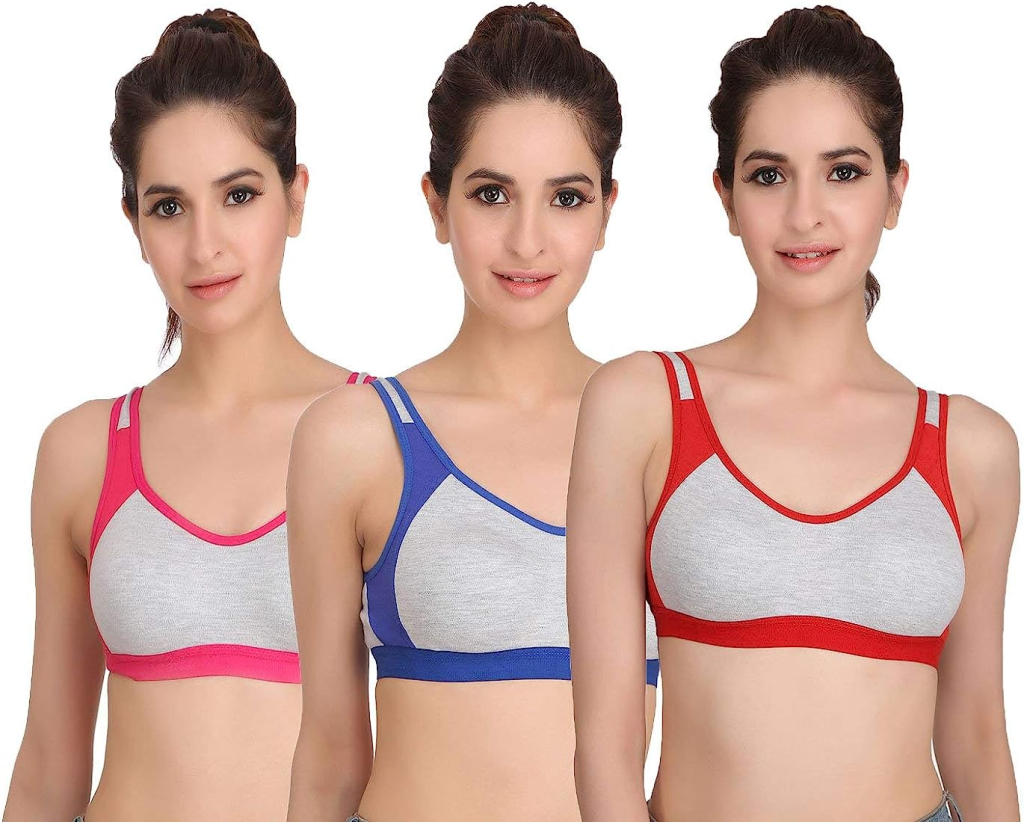
Choose sports bras made from moisture-wicking fabrics that help keep your skin dry and reduce friction. These materials draw sweat away from your skin, preventing excessive moisture buildup and reducing the likelihood of chafing. Look for fabrics such as polyester, nylon, or spandex blends, which are known for their moisture-wicking properties.
Use Lubricants or Anti-Chafing Balms
Apply a thin layer of lubricant or anti-chafing balm to areas prone to chafing, such as the underarms, neckline, or where the band and straps come into contact with your skin. These products create a protective barrier that reduces friction and minimizes the chances of chafing. Consider using petroleum jelly, silicone-based lubricants, or specialized anti-chafing balms available in the market.
Wear Seamless or Flat-Seam Bras
Seams can contribute to chafing, especially if they are rough or bulky. Opt for sports bras with seamless or flat-seam construction, as they minimize friction against your skin. These bras have smoother surfaces and reduce the likelihood of chafing, allowing for a more comfortable workout experience.
Consider Moisture-Wicking Bandages or Tape
If you experience chafing in specific areas despite wearing a properly fitted sports bra, you can use moisture-wicking bandages or tape as an additional preventive measure. Apply them to areas prone to chafing, such as the underbust or areas where the straps rub against your skin. These bandages or tape will create a barrier and reduce friction, minimizing the risk of chafing.
Properly Position Straps and Adjust the Band
Ensure that the straps of your sports bra are properly positioned on your shoulders without digging in or sliding off. Adjust them to a comfortable length that provides adequate support without causing irritation. Additionally, check that the band is positioned parallel to the ground and sits snugly but comfortably beneath your bust.
Wash Your Sports Bras Regularly
Maintaining proper hygiene is essential for preventing chafing. Wash your sports bras regularly according to the manufacturer’s instructions to remove sweat, bacteria, and oils that can accumulate and contribute to chafing. Avoid using fabric softeners, as they can reduce the moisture-wicking properties of the fabric.
Conclusion
Chafing can be a common concern when wearing a sports bra, but by following these preventive measures, you can minimize discomfort and enjoy a friction-free workout. Choose the right size, opt for moisture-wicking fabrics, use lubricants or anti-chafing balms, consider seamless or flat-seam bras, use moisture-wicking bandages or tape if necessary, properly position straps and adjust the band, and wash your sports bras regularly.