The film industry has had the greatest impact on the development of 3D rendering technology. The films created have revolutionized the way animated entertainment is presented. This technology has made it possible to create animated films with an unmatched level of realism. Animations are now more realistic than ever, and the 3d render technology helps create this. It eliminates the need for translation and creates a realistic perspective. It also allows for realistic, motion-based characters, which has an immense impact on the quality of films and television shows.
Creates a sense of realistic perspective
A photorealistic animation is an excellent way to show prospective homebuyers all the details of their future dwelling. This type of animation can be enhanced with emotions and features such as landscapes surrounding the property. This kind of animation can also showcase the features of any environment. If the house is a new construction, you can include shots of its surroundings to give the viewers a sense of how it will look when they move in.
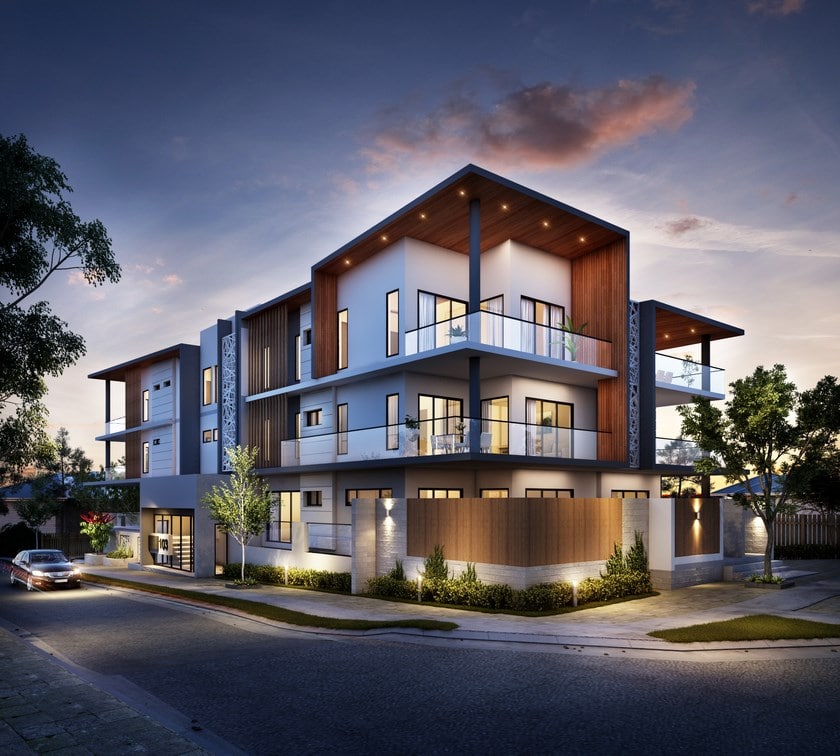
A 3D artist will select a location and set a point of view to show the potential viewers what’s within the field of vision. Once the scene is set, the 3D artist will place light sources and determine what is visible. To achieve a realistic perspective, the artist must accurately portray the material of the object. This can be achieved by modifying material settings, changing the surface and using different hardware.
Eliminates the need for translation
Translation is an art. It entails translating texts from one language to another. In practice, it is not a simple task. Translation involves much more than homophone conversion. A good dub requires accurate translation and the best translation is only a small part of the story. It also requires careful research of the target markets and the translators. If a good dub is lacking, a better translation will open up a new door to voice acting.
The process of translation is changing due to the evolution of culture. A good translation has a good flow of information between the target language and the source language. It must also be readable. Translations must be short, easy to read, and have enough information for the target audience to understand the message. For this reason, a good translator must be versatile and creative. They must be able to adjust to the new style and visual template, as well as the culture of the target audience.
Creates a sense of motion
Animation requires sophisticated technology, including 3D rendering, which generates a realistic impression of motion. To create realistic scenes, 3D animators run these scenes on “render farms,” a network of dozens to thousands of computers that process images together. The more complex the scene, the more computers must be involved. A single minute of animation takes approximately a million rendering passes, so a render farm is essential to achieve photorealism.
Traditional 2D animation, on the other hand, uses drawings and movement to convey the illusion of motion. In this process, the camera follows the object as it moves. Stop-motion animation, on the other hand, relies on real-life models that are filmed and moved by hand to create the illusion of motion. 3D rendering, on the other hand, produces a lifelike virtual world in which objects move, interact, and interact with each other.
Reduces costs
Computer technology has brought about sweeping changes in the animation industry. While the rise of VFX and AR is transforming the way media is created and consumed, the future of the animation industry will depend on the growth of new technologies. These innovations will drive the demand for animated films. Globalization and regionally low labor and computing costs are also causing the production of content to move offshore. Several factors are driving the shift toward offshore production, such as the increased demand for short-form content and the evolution of augmented and virtual reality.
The first step in reducing the costs of animation production is to consider the duration of the video. A longer video tends to have higher ticket prices because it requires a larger team and more time. Cutting the duration of the video is one of the easiest ways to reduce animation production costs. While this is not the only way to decrease costs, reducing the duration of an animation video will help producers achieve their budget goals. After all, the goal of reducing production costs is to maximize the revenue.
Saves time
Animation is an important part of modern entertainment, and 3D rendering saves time in many ways. With the ability to render animation quickly, producers can complete projects faster. The quality of animation depends on the number of people involved in the process, and 3D rendering saves time by simplifying complicated processes. The benefits of 3D rendering extend far beyond animation. It can also help create photo-realistic images. With the right software, 3D rendering can make the most complex projects seem simple and quick.
The process of 3D rendering involves several stages: strategy, artistry, and computer software. 3D rendering software makes it easier for designers to convey ideas to clients. It saves time and money by allowing them to see the entire picture in a single file. It also allows the designers to visualize a project from different perspectives, highlighting design details. And while 3D rendering may cost a few dollars more up front, it will pay for itself in the end, thanks to its flexibility and versatility.